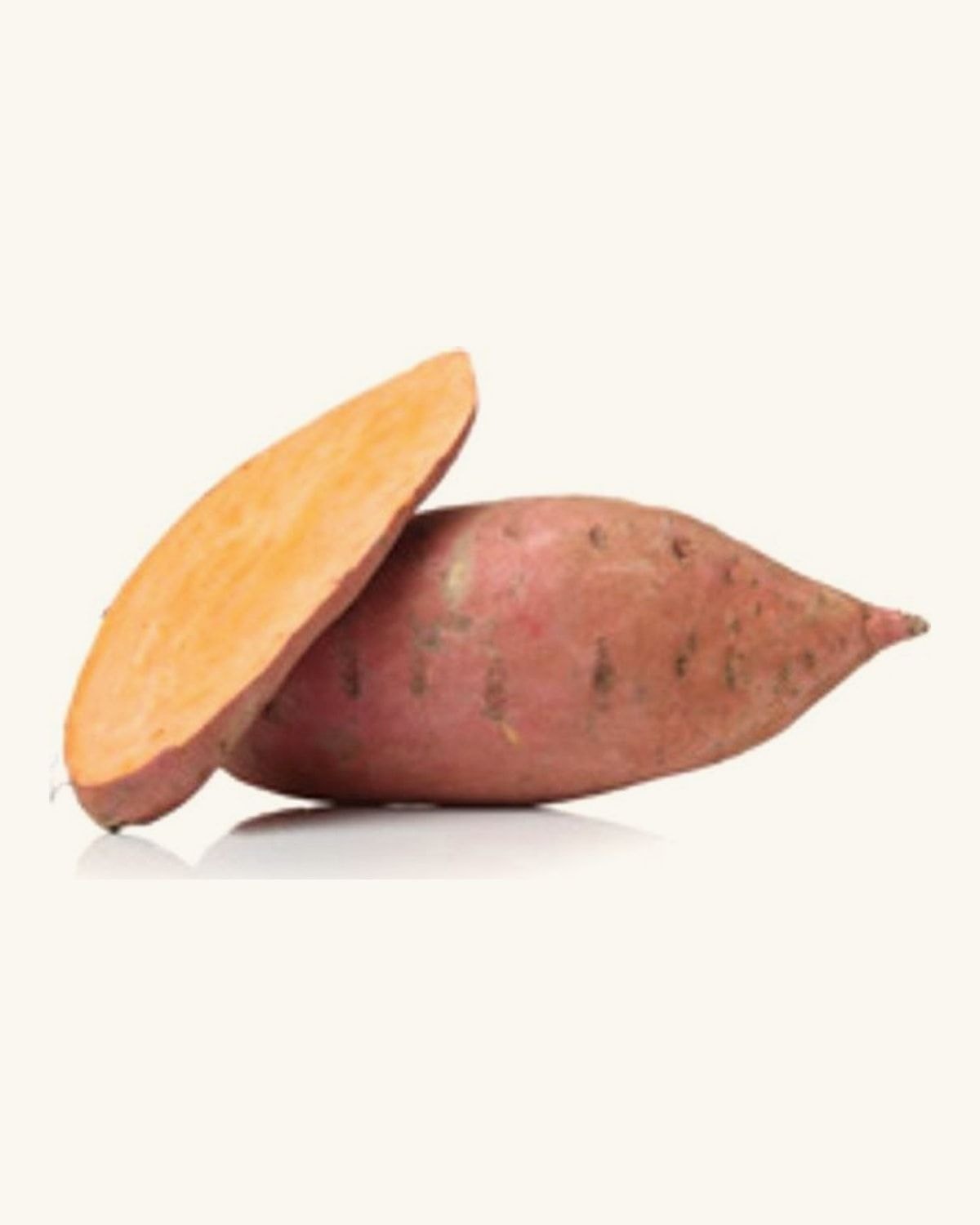
Egyptian sweet potatoes are a well-established export crop, prized for consistent size, clean skin and high dry matter. For international buyers, understanding the season is the first step to planning a reliable supply — but the second step, storage, is where most shipments are won or lost.
When the Egyptian crop is available
The main harvest runs from late summer through early spring, with peak availability in the cooler months. Outside that window, supply narrows and prices firm. Buyers planning a winter retail programme should book before the harvest, not after the first cold snap in Europe.
Because sweet potatoes store well when cured, a good supplier can extend availability by several weeks. That extension is a storage achievement, not a second harvest — and it should be quoted as such.
Why curing matters
Curing holds the roots at warm, humid conditions for 7–10 days. It heals cuts in the skin, sets the sugars and reduces water loss in transit. Un-cured roots look fine at loading and arrive shrivelled, which is why curing is one of the first questions a serious buyer asks.
After curing, storage is 13–15 °C at 90–95% relative humidity. Sweet potatoes must never go below 10 °C. Cold damage shows as hard core, dull flesh and a loss of sweetness — and it is irreversible.
Calibres and packs
Retail programmes usually want a tight weight band, not a maximum size. A 250 g average with 150–400 g spread reads as inconsistent on the shelf. Specify the band and ask for the packing-line calibration record.
| Calibre | Typical market | Carton |
|---|---|---|
| 100–150 g | Small retail | 5–10 kg |
| 150–250 g | Standard retail | 5–10 kg |
| 250–400 g | Premium retail | 10 kg |
| 400–600 g+ | Food service | 10 kg |
Defects to write into the contract
Agrovalley publishes its sweet potato availability, calibres and packaging openly so importers can plan around real harvest cycles. Exact windows and loading schedules are confirmed per order.
- No cold damage (hard core) — verify storage temperature history.
- No sprouts, no surface rot, no insect damage.
- Skin sound, with no more than a stated percentage of scuffing.
- Consistent shape; curved or misshapen roots culled.
- Carton weight declared net, not gross.