Egypt ships more fresh produce into Europe than most buyers realise. Between November and May, Egyptian citrus, strawberries, sweet potatoes, onions and leafy greens fill the gap left by European field crops — often at a price European growers cannot match in the off-season. But the difference between a good Egyptian supplier and an expensive lesson is rarely the product. It is the paperwork, the cold chain and the honesty of the season.
This guide is written from the packing-house side: what actually leaves Egypt, when, through which port, and what a European buyer should verify before opening a letter of credit.
What Europe actually buys from Egypt
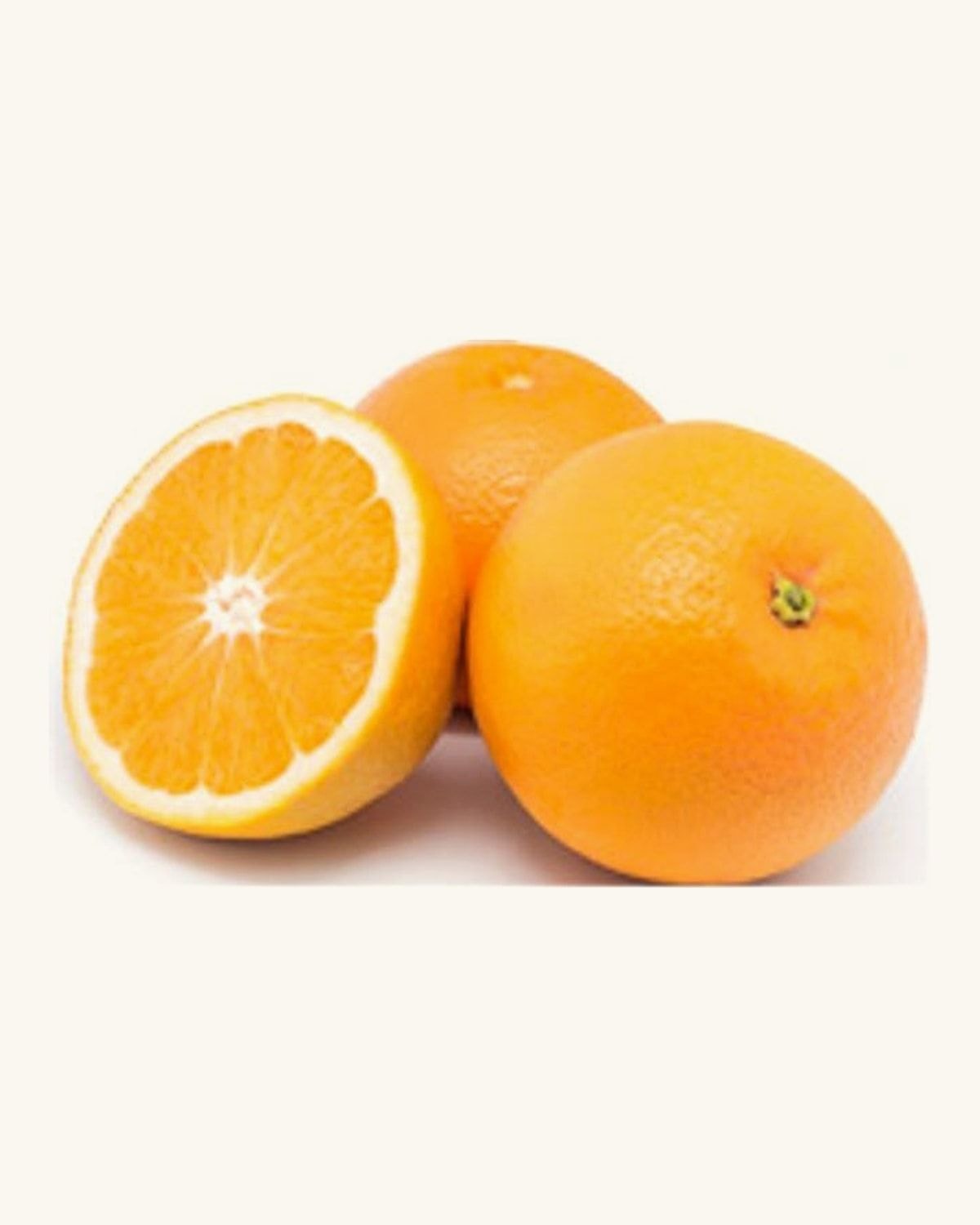
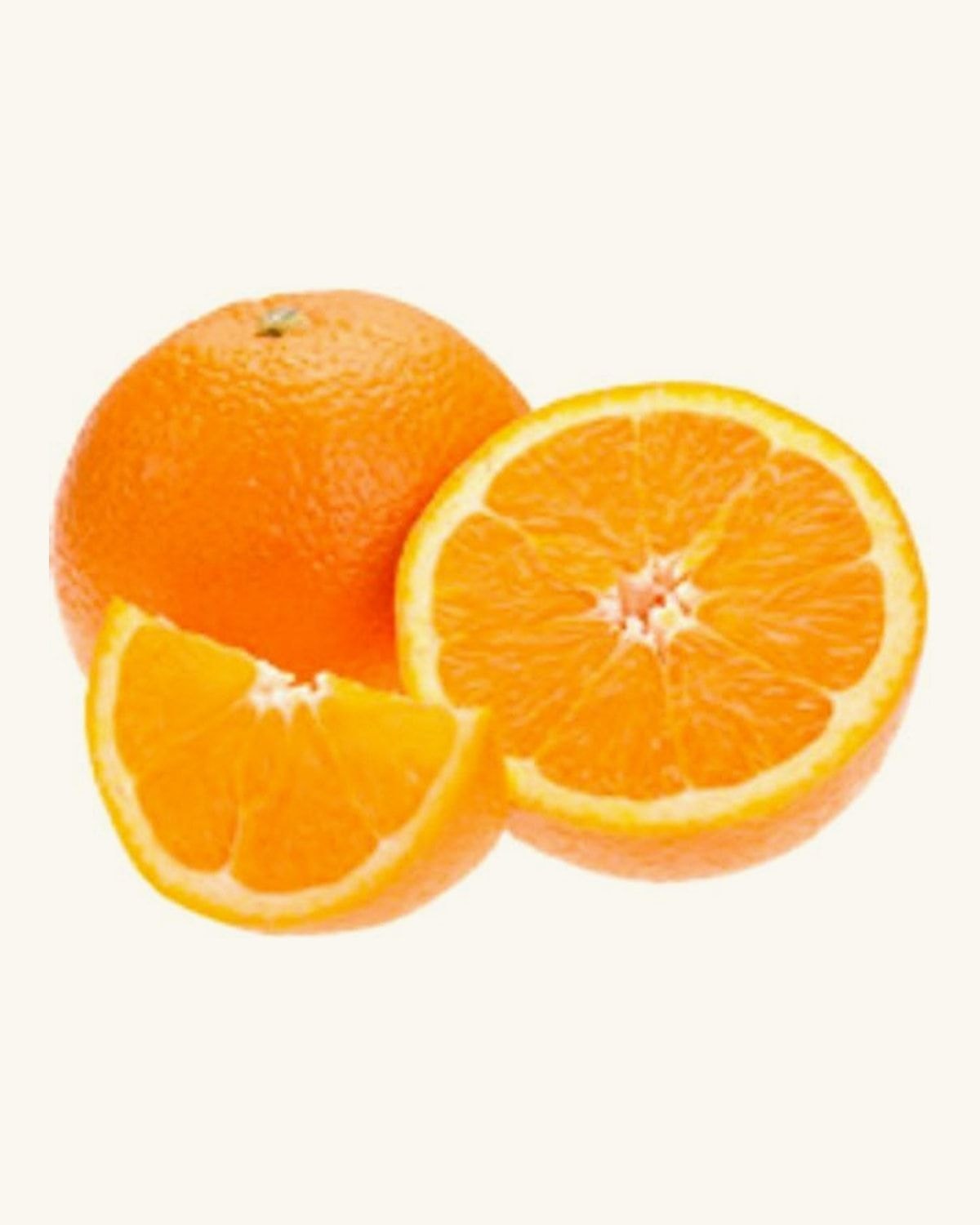
The European programme is dominated by five groups: citrus (Navel and Valencia oranges, easy peelers, grapefruit and lemons), strawberries, sweet potatoes, onions and garlic, and frozen or prepared vegetables. Grapes, mangoes, pomegranates and dates fill the premium end of the basket, mostly into Germany, the Netherlands, the UK, Italy and Spain.
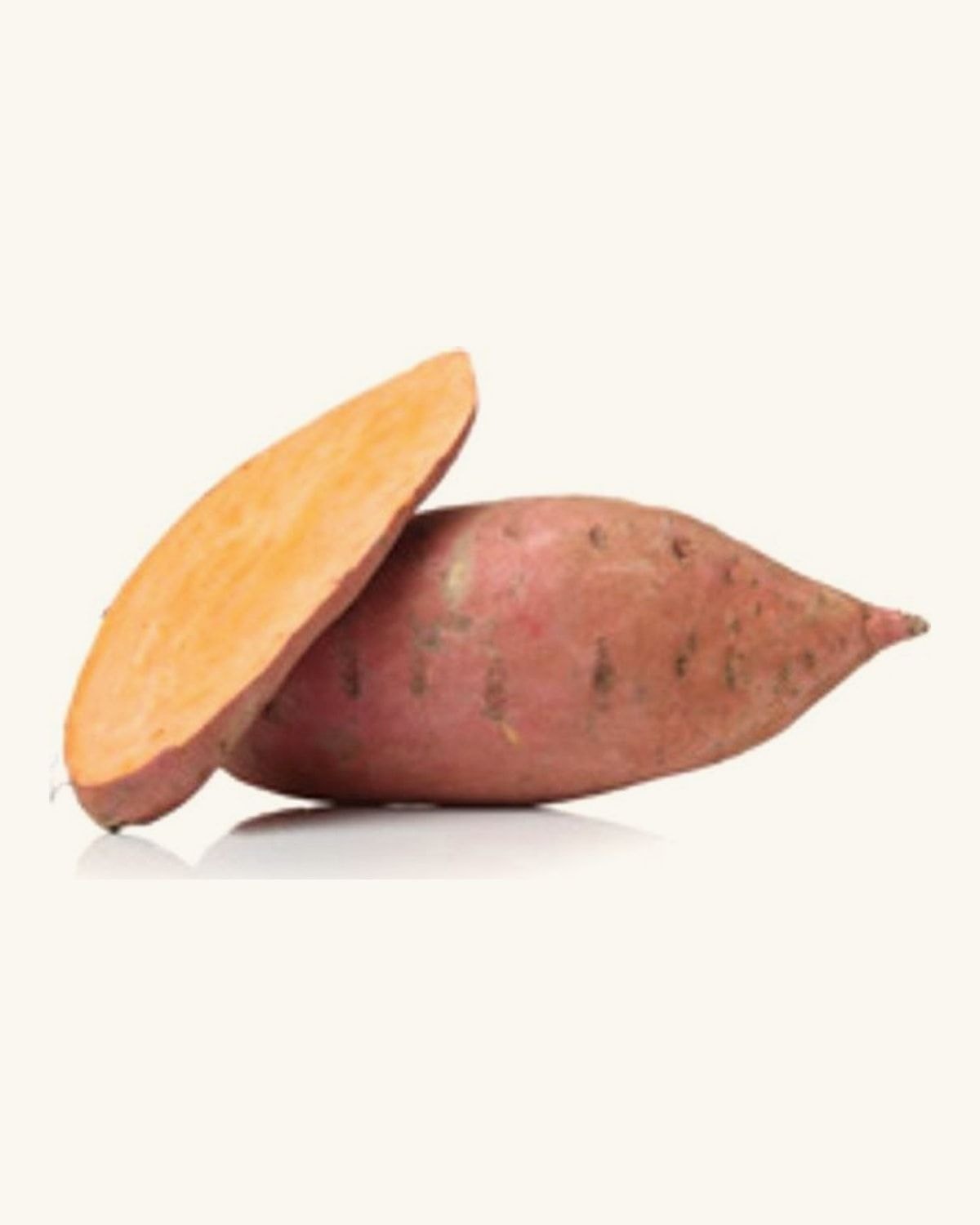
The volumes follow the European calendar. Egyptian Navel oranges start in November and run to March; Valencia takes over from March to July. Strawberries arrive by air from November to April. Sweet potatoes are available from August to March, which is why they appear on European shelves through the winter. Onions and garlic run from spring into late summer.
| Product | Egyptian window | Typical European use |
|---|---|---|
| Navel orange | Nov – Mar | Retail and juicing |
| Valencia orange | Mar – Jul | Juice and processing |
| Strawberries | Nov – Apr | Retail, air freight |
| Sweet potatoes | Aug – Mar | Retail and food service |
| Yellow onions | Mar – Aug | Retail and catering |
| Table grapes | May – Sep | Retail |
The cold chain is the product
A European buyer is not really buying fruit; they are buying the condition of that fruit on the day it reaches the distribution centre. Egyptian produce spends two to four weeks in transit by sea, plus a few days on each side. Every degree of drift in that window shows up as shrivel, decay or lost shelf life.
For citrus, that means 5–8 °C and 85–90% relative humidity. Strawberries need 0–2 °C and a pre-cooled truck to the airport. Sweet potatoes are the exception that catches people out: they must never go below 10 °C, or they develop hard core and lose the texture that made them worth shipping. Onions need dry, ventilated storage rather than refrigeration.
Ask your supplier for the pulp temperature at loading, not just the set point of the reefer. A container that was loaded warm and cooled afterwards has already lost days of shelf life before the vessel sails.
Ports and transit: Alexandria, Damietta, Suez
Most Egyptian fresh produce leaves through Alexandria and Damietta on the Mediterranean, with Suez used for some Gulf and Asian routings. Transit to Rotterdam is typically 10–14 days, to Hamburg 12–16 days, and to Italian ports 7–10 days. Air freight from Cairo to Frankfurt or Amsterdam is same-day for strawberries, herbs and other high-value, short-life lines.
Port congestion and inspection schedules matter more than the sailing time in peak weeks. A buyer who fixes a delivery date without checking the loading window is negotiating against the calendar rather than the supplier. We quote a loading week, then confirm the vessel and the arrival estimate once the booking is made.
Certification and the documents that get checked
GlobalG.A.P. is the baseline for most European retail programmes, and it is checked at the farm, not at the packing house. HACCP and ISO 22000 cover the packing operation. For frozen and prepared products, EU Regulation 2073/2005 sets the microbiological criteria, and a certificate of analysis per lot is normal.
The shipment file should contain the phytosanitary certificate, certificate of origin, commercial invoice, packing list, bill of lading and, where relevant, the GlobalG.A.P. certificate and a residue-test report. Missing or mismatched documents are the most common reason a container sits at port while the fruit ages.
What to verify before you place the first order
A first order should be small enough to survive a mistake and large enough to test the supply chain. One pallet tells you more about a supplier than three price lists.
Agrovalley ships fresh and IQF produce from Egypt to European importers, with specifications and availability published per product. If you are planning a winter programme, the right time to talk is before the harvest, not after the price moves.
- The supplier can name the farm and the packing house, not only a trading office.
- The specification states calibre, brix, defects and pack weight in numbers, not adjectives.
- The availability window is quoted per product and confirmed per order.
- The supplier will send a pre-shipment sample or a loading video for a first container.
- Payment terms, Incoterms and the inspection agent are agreed in writing before harvest.